New Zealand – Māori Aotearoa (The Land of the Long White Cloud) is an archipelago of two large and several smaller islands located in the Southern Hemisphere in the South Pacific Ocean, about 2,250 km east of Australia. Its land area is comparable to that of Great Britain or Japan. The climate is temperate and humid, with small differences between summer and winter temperatures, and altitude plays an important role. The population is made up of approximately 79% people of European descent, 10% Māori, 4% descendants of Pacific Islanders, and 7% of Asian ancestry.
Most of the population lives on the North Island, which has greater economic potential and nearly ideal conditions for agriculture. Originally a British colony, New Zealand declared independence on September 26, 1907. The resulting constitutional monarchy remains a member of the British Commonwealth and does not have its own written constitution. New Zealand uses the metric system.
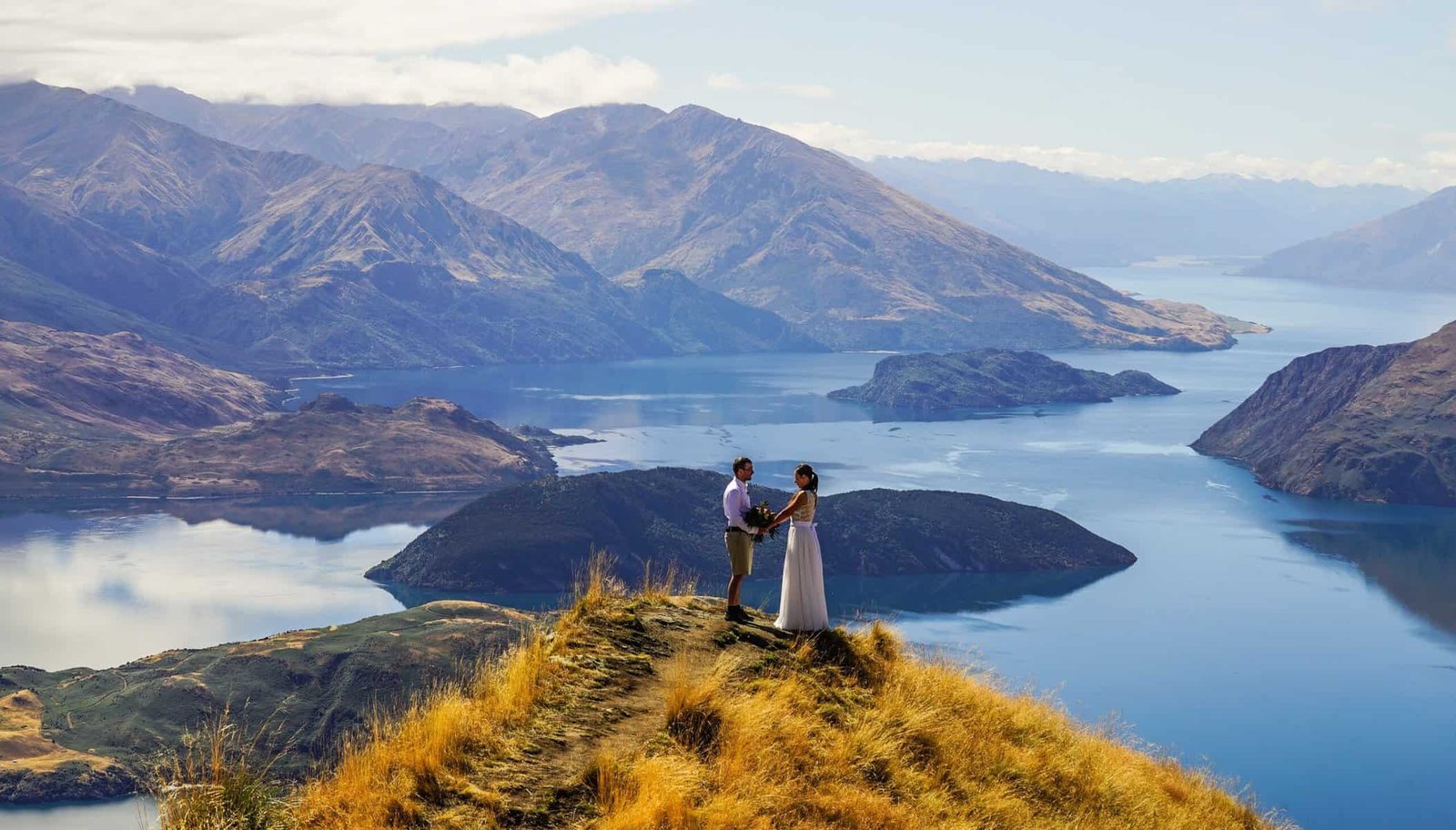
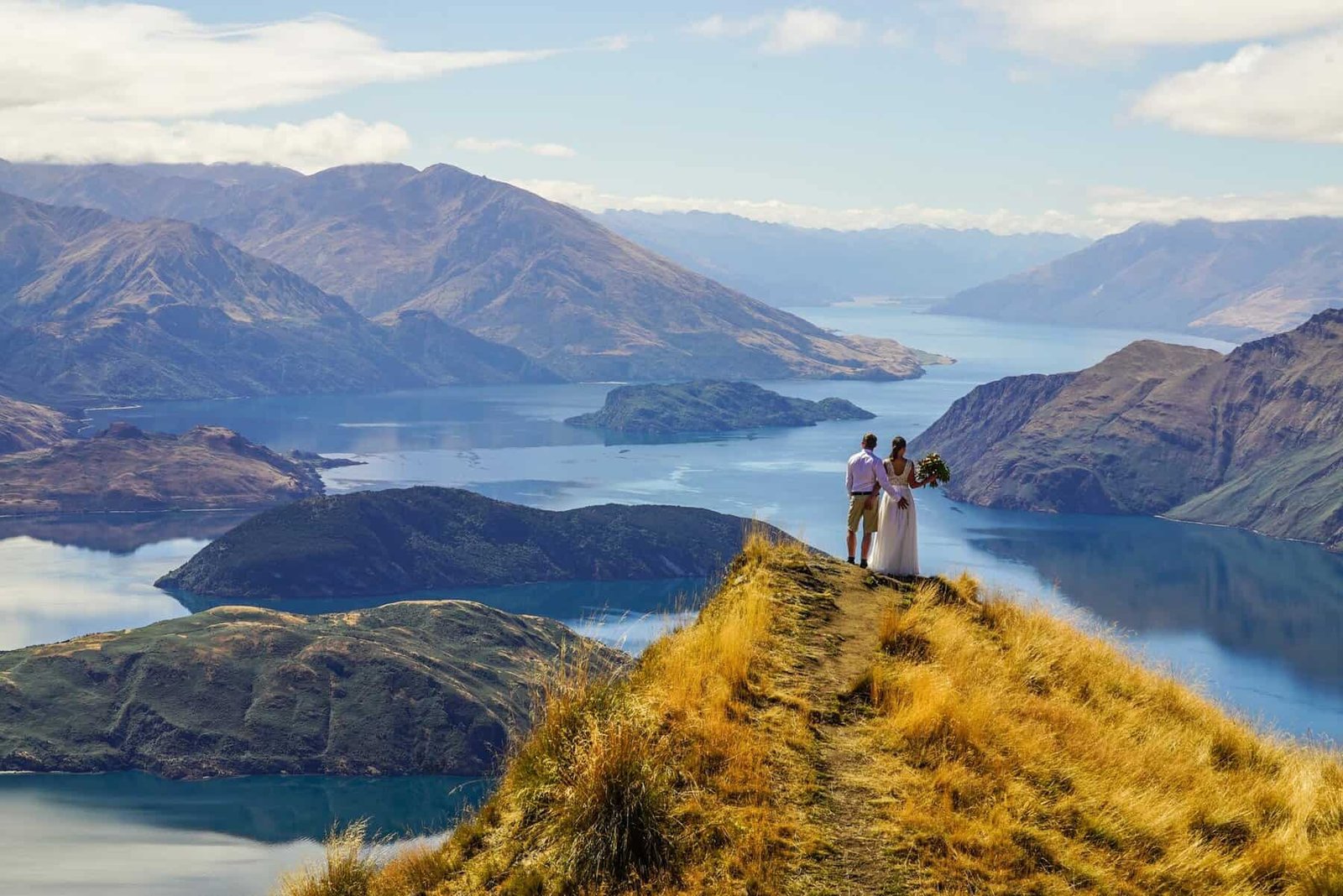
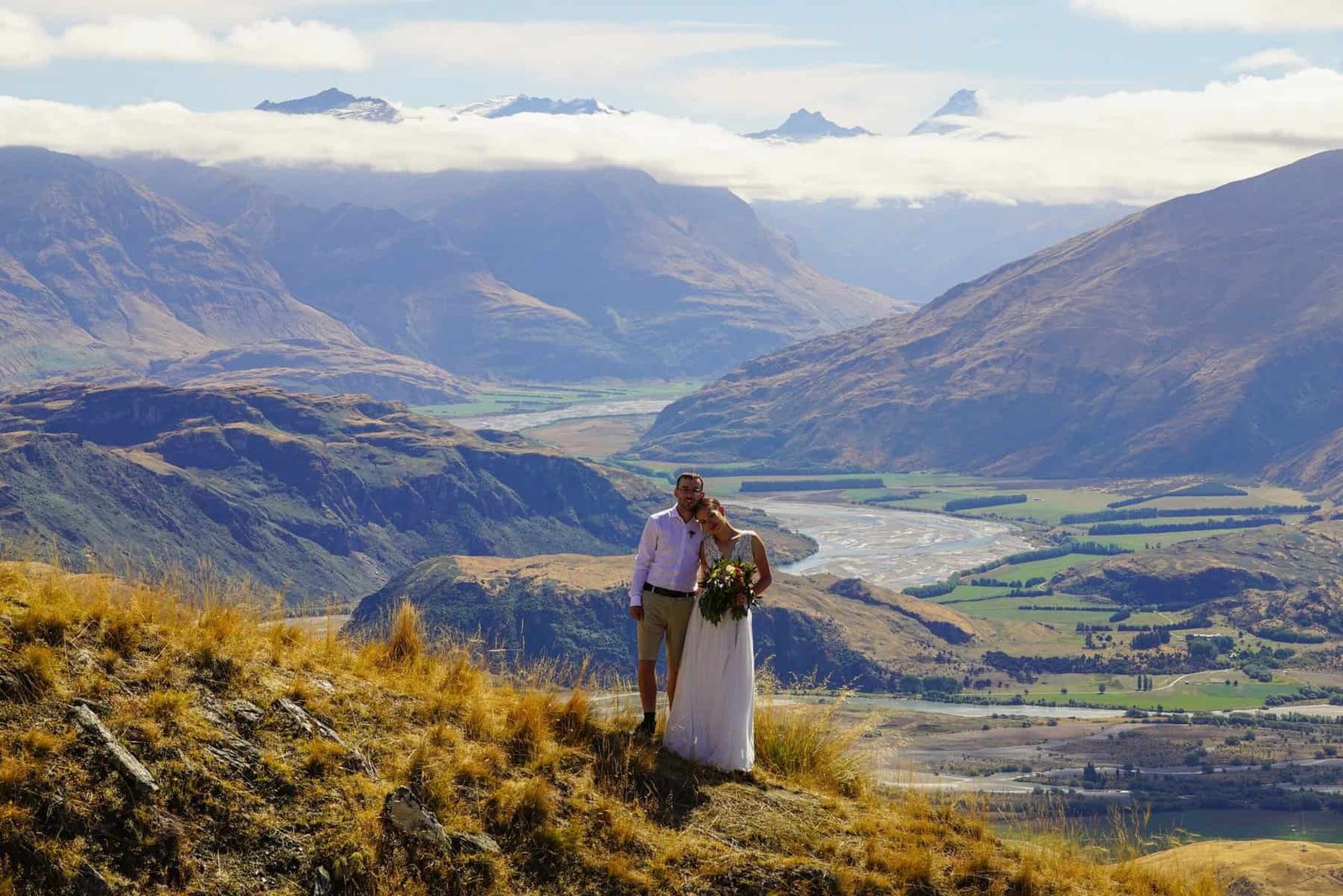
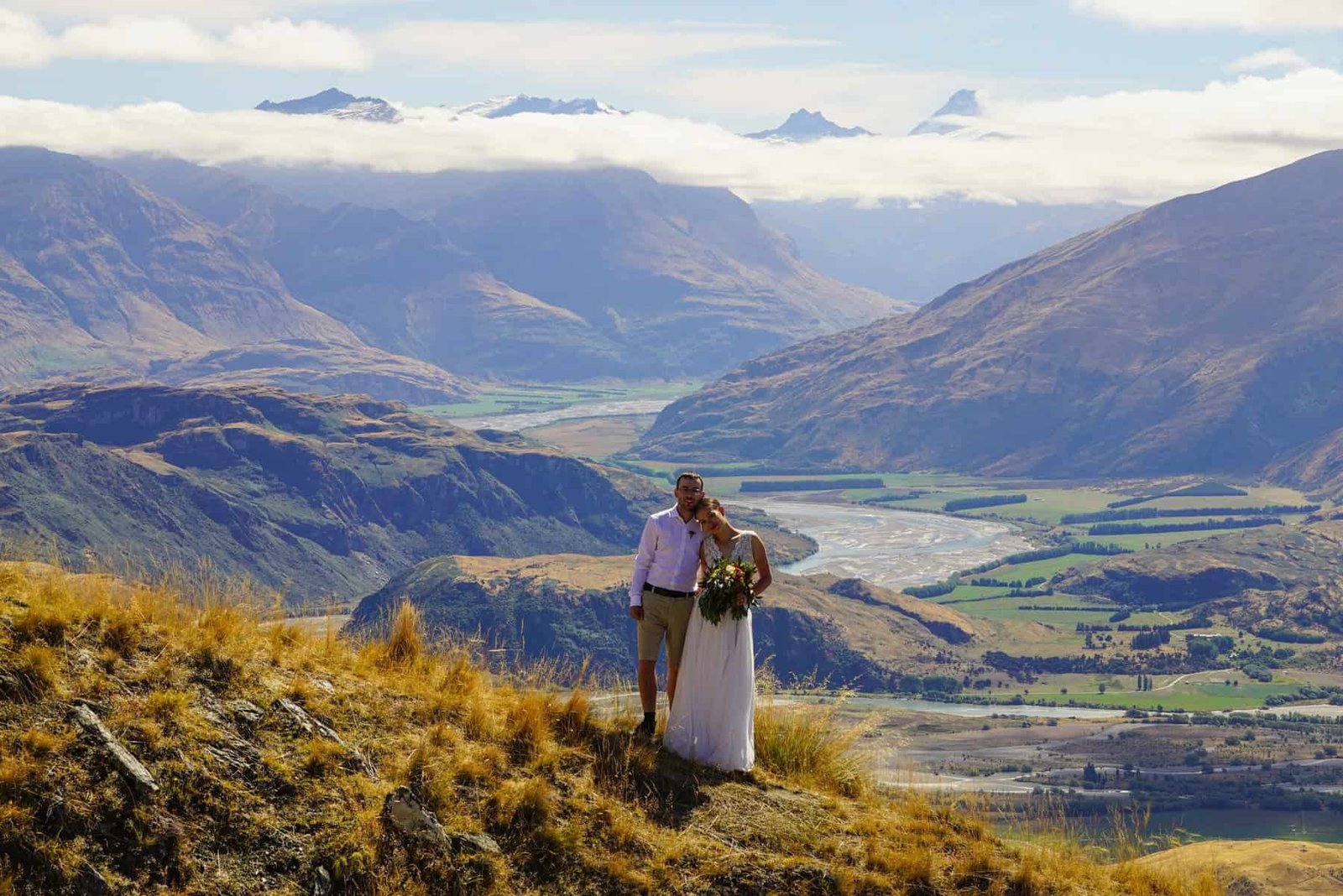
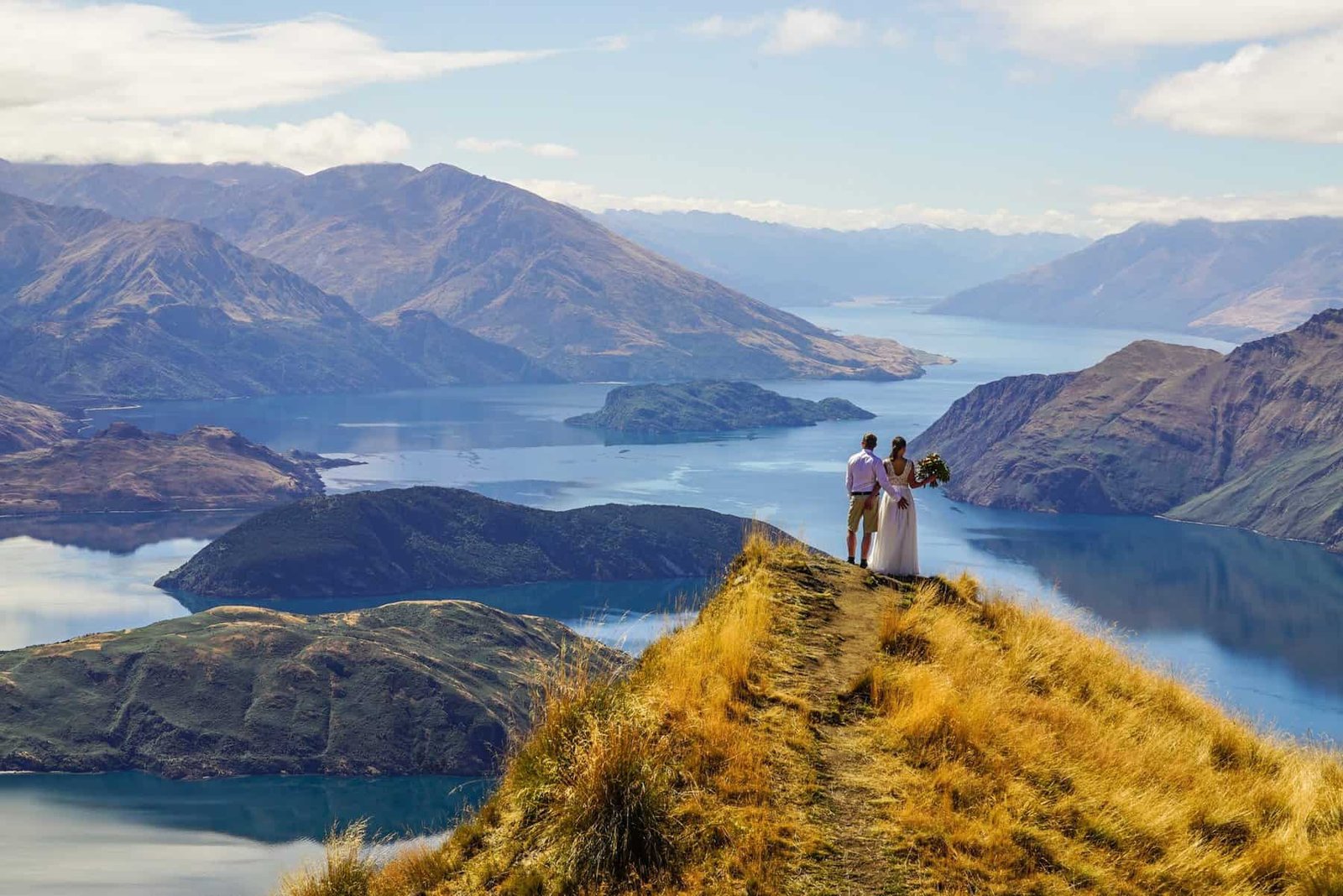
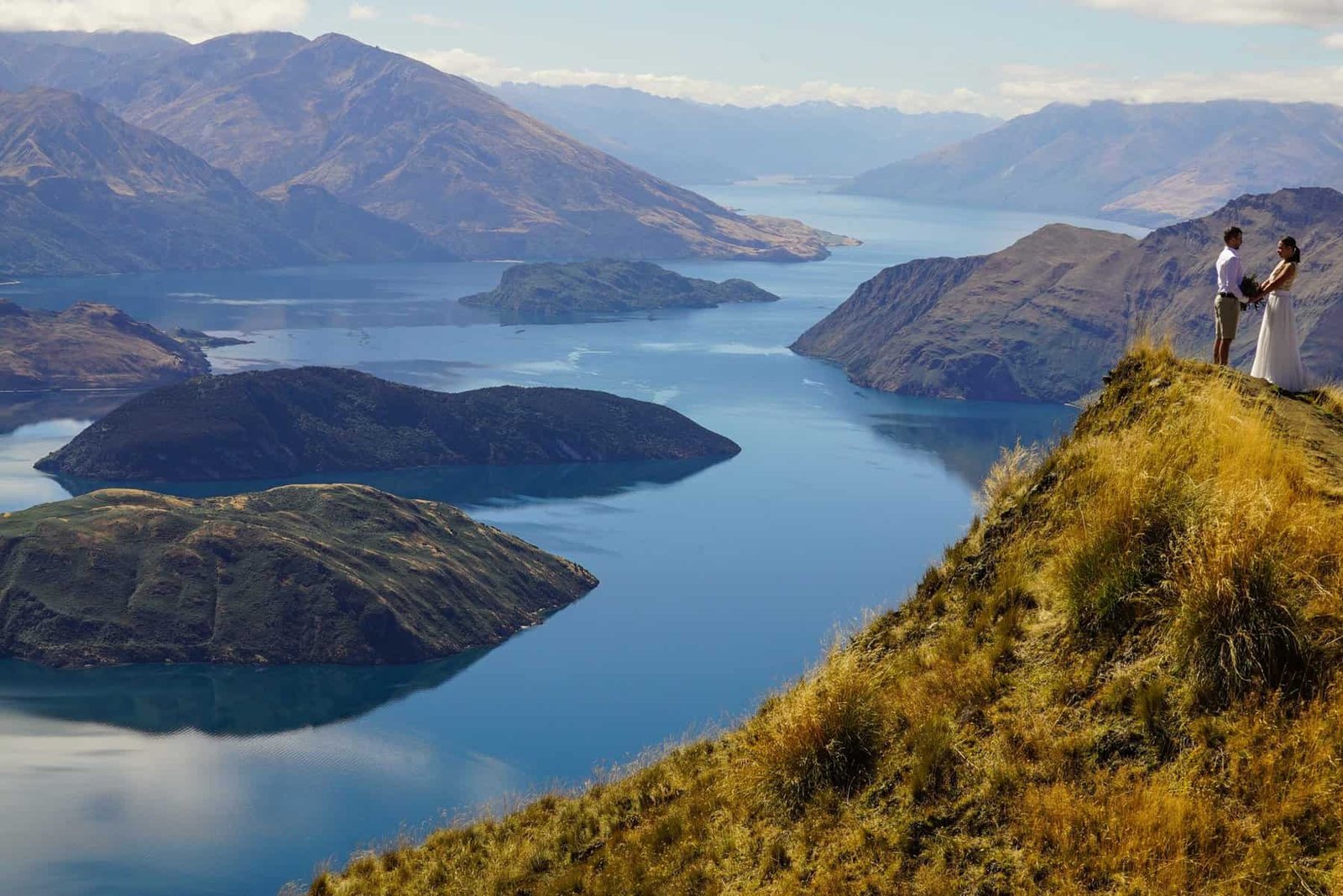
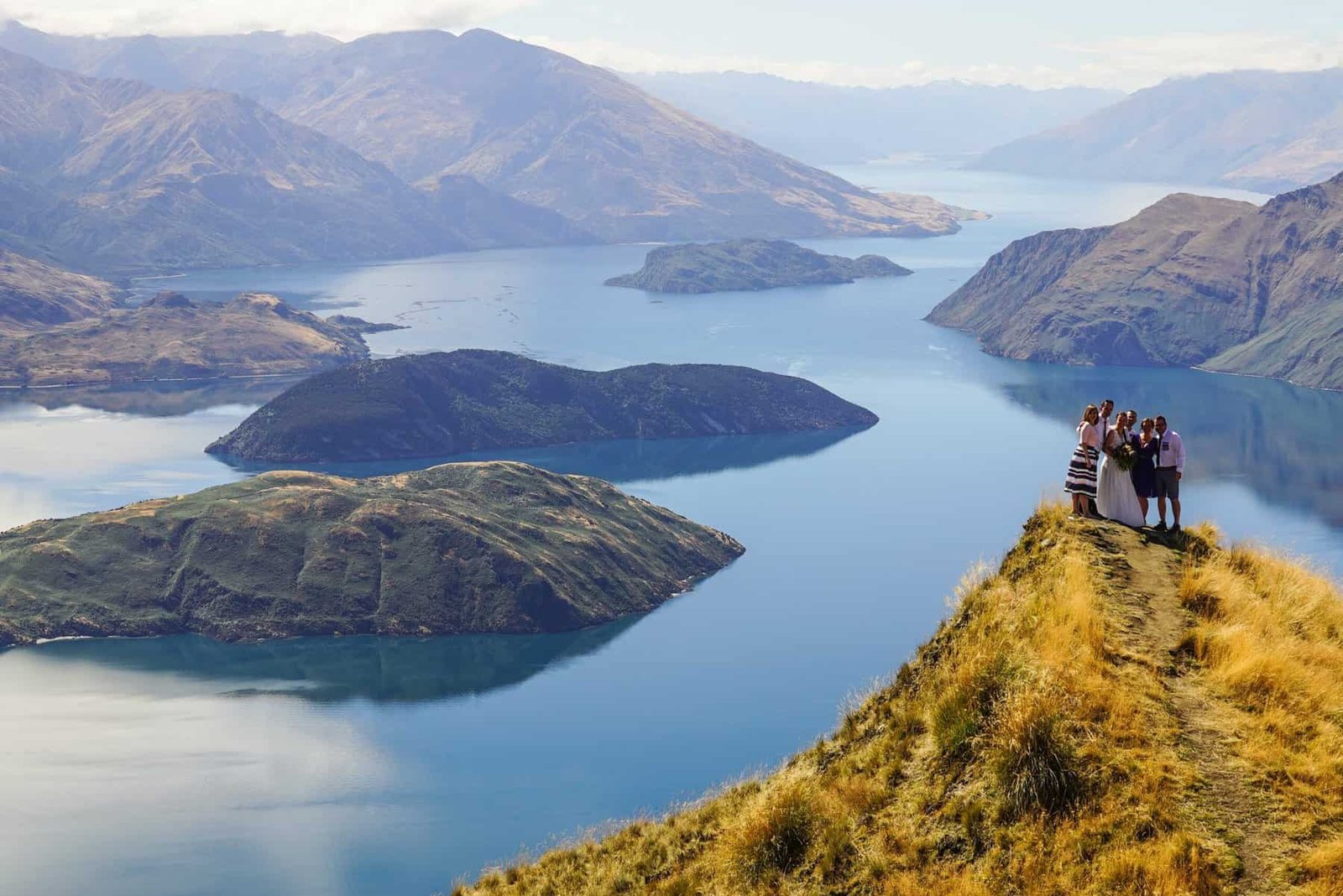
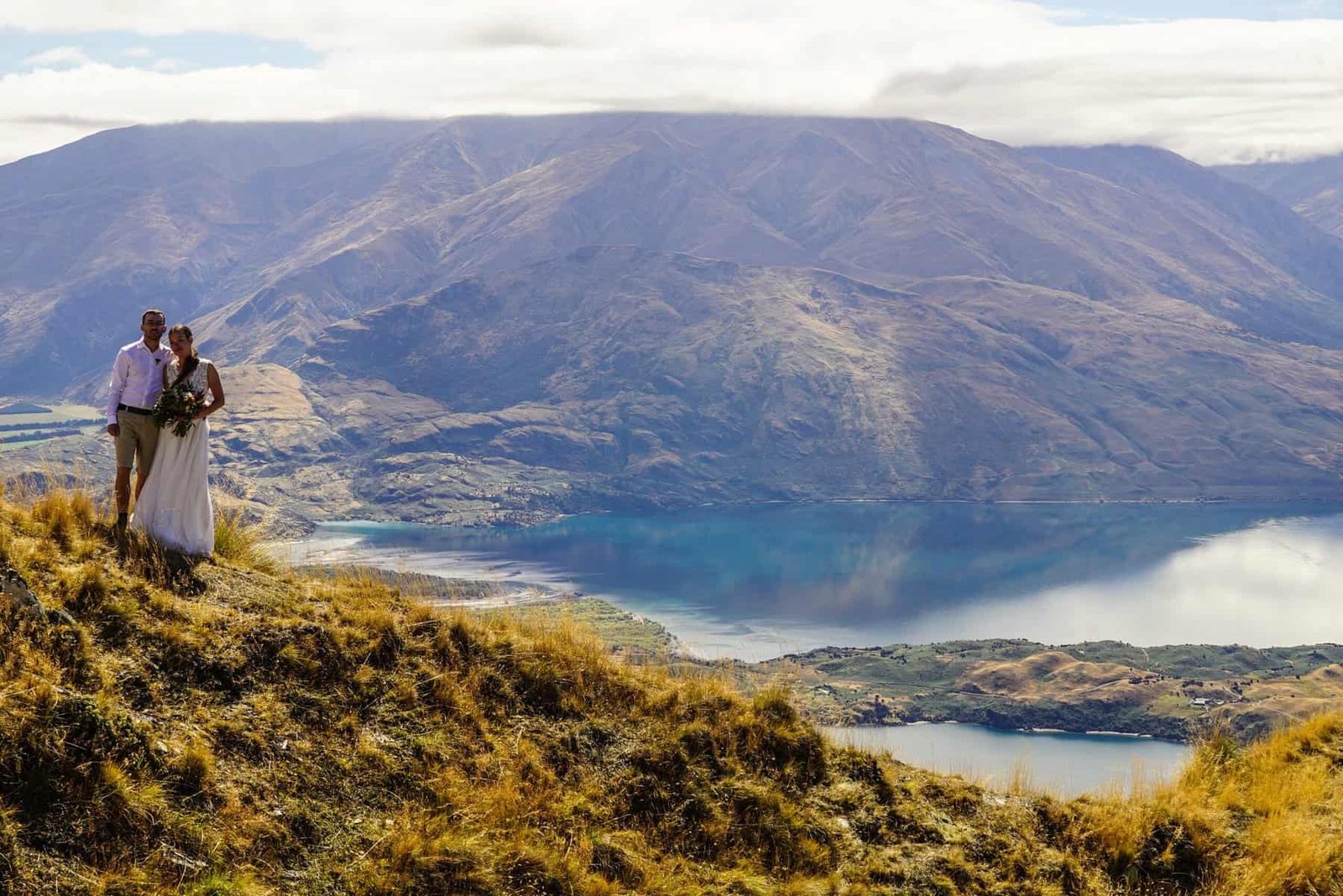
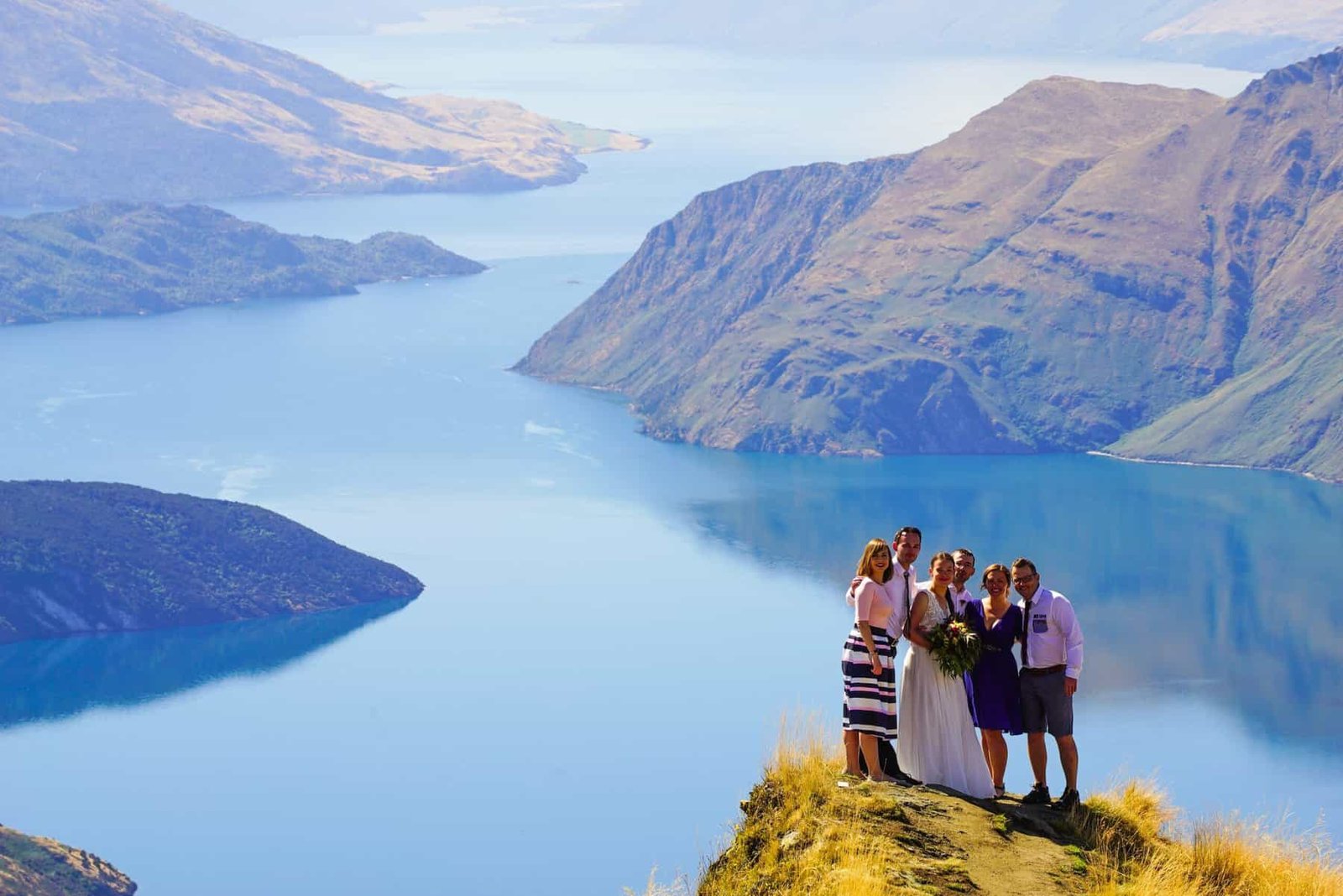
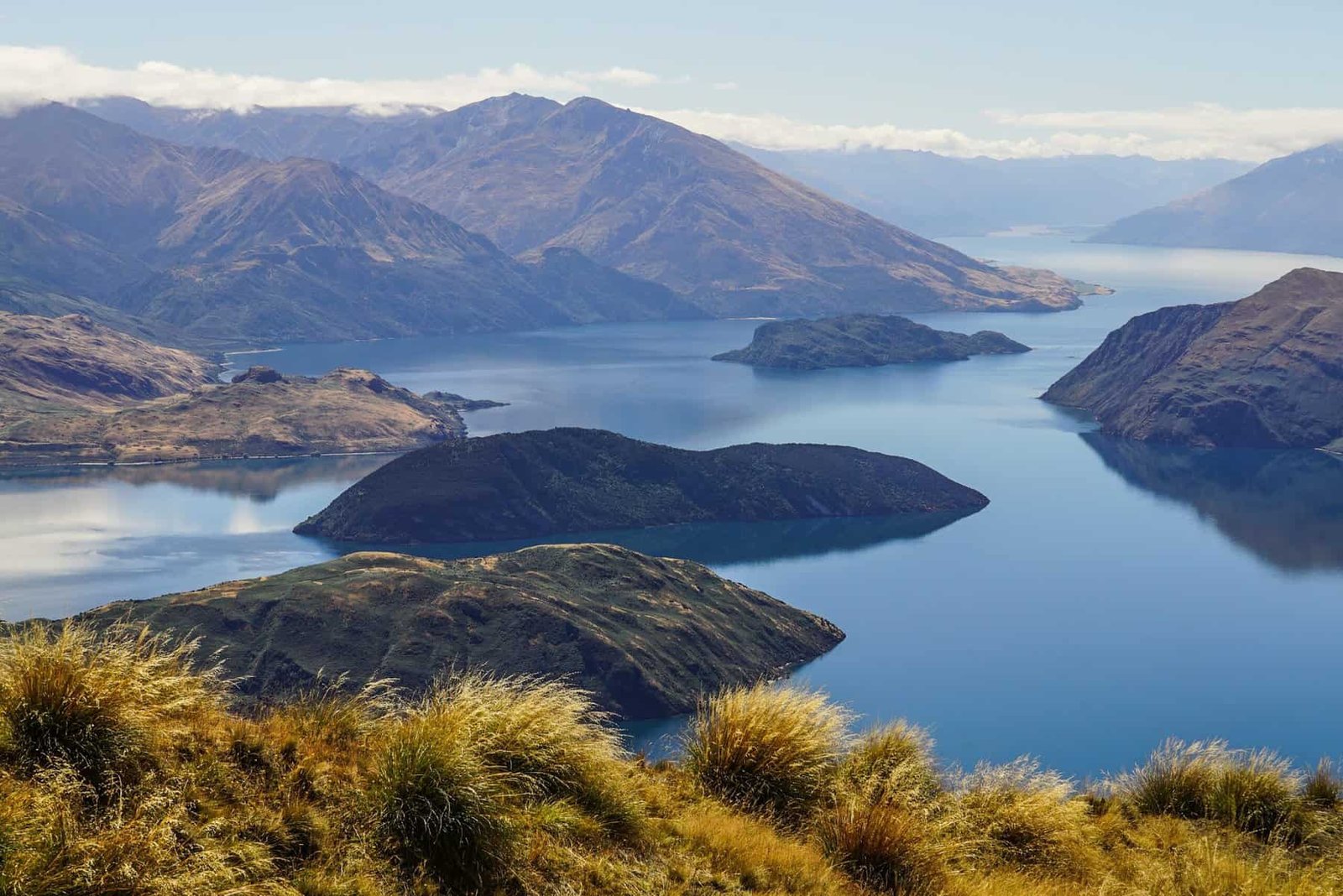
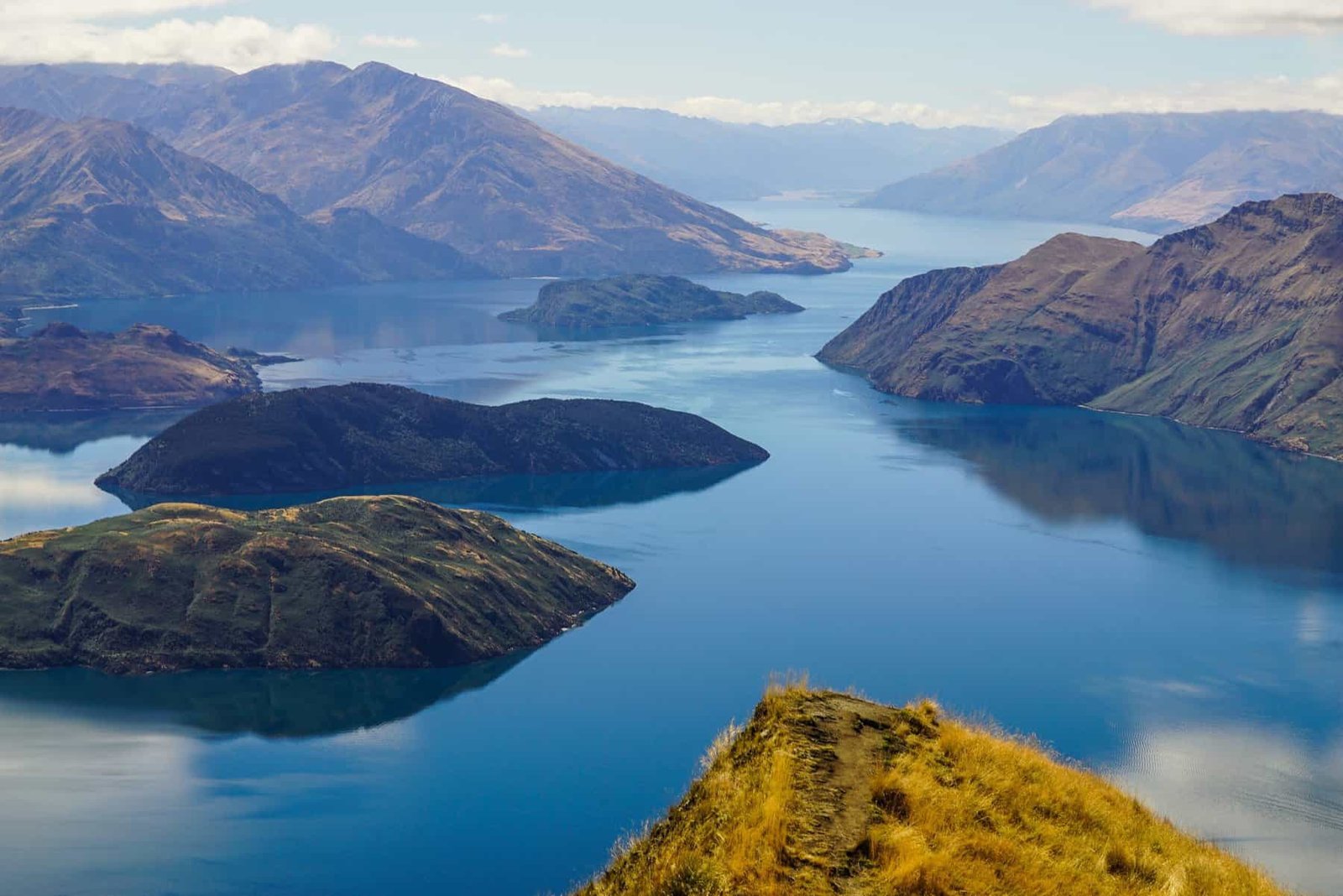
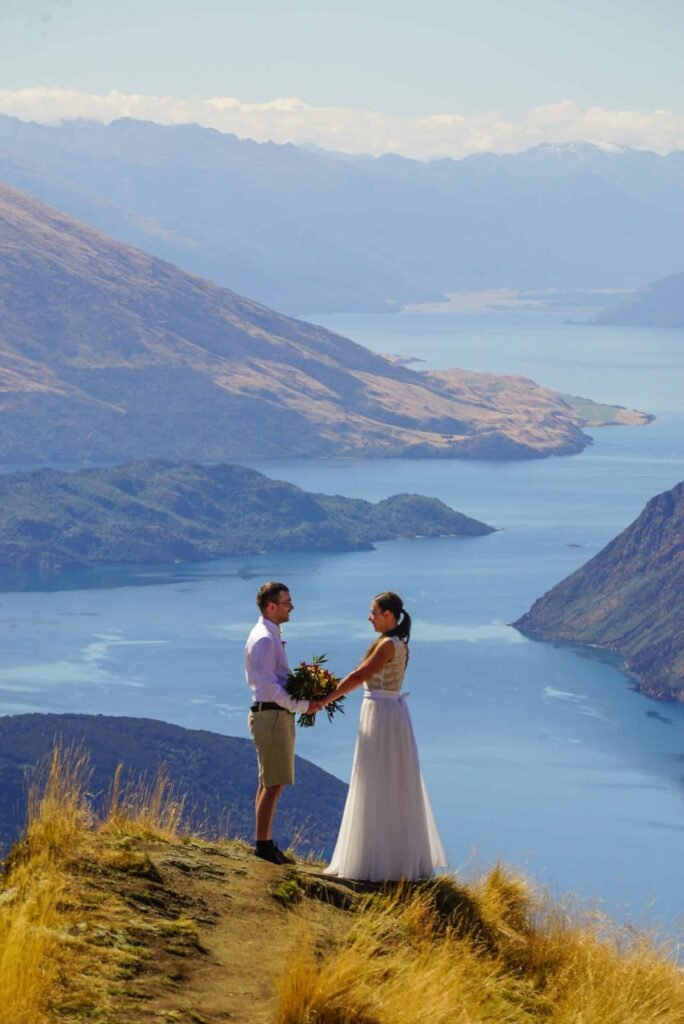
New Zealand is one of the world’s largest sheep farming countries. Known as the land of the Southern Cross, besides its great distance from Europe, there is hardly anything that speaks against a holiday in New Zealand. After a long flight, visitors arrive in a country offering a diverse range of natural attractions: a rugged coastline with many islands, towering mountains with snow that never fully melts, emerald green hills dotted with thousands of sheep, thermal geysers and hot pools, volcanoes, and caves. Outside a few large cities, life in New Zealand flows slowly, allowing visitors to truly enjoy the natural beauty of one of the most beautiful countries in the world.